By: The Fashion Swan
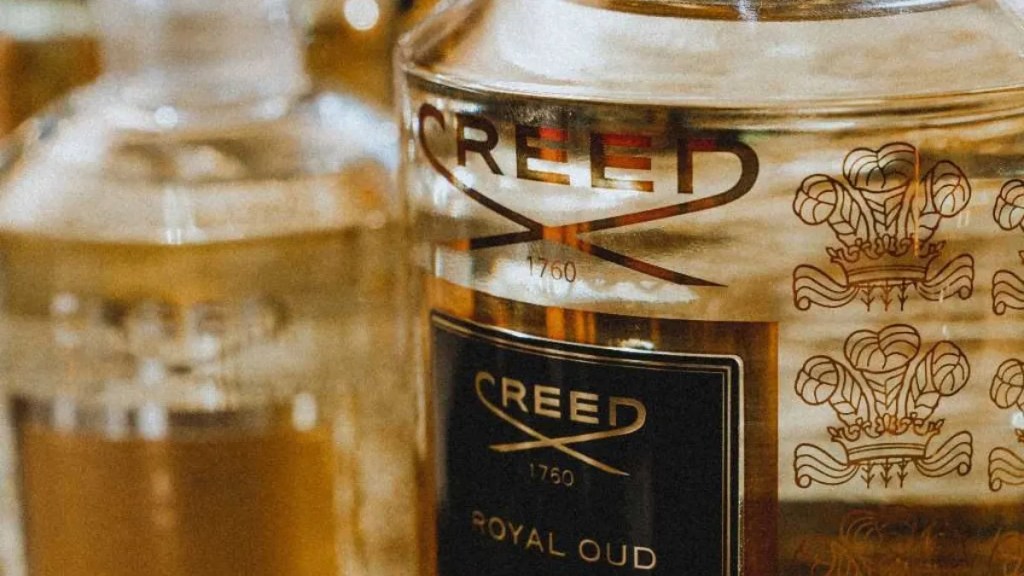
When Kering announced the creation of its own beauty division in 2023 — complete with the €3.5 billion acquisition of the fragrance house Creed — it marked a bold strategic bet. The French luxury group, already home to fashion heavyweights such as Gucci, Balenciaga and Bottega Veneta, wanted to internalise fragrance and beauty and capture the high-growth cosmetics category.
Yet, only two years later, the group appears poised to reverse course. According to multiple sources, Kering has sold its beauty business — including Creed and the development rights for the beauty lines of its fashion brands — to L’Oréal for approximately €4 billion.
This move signals a shift in Kering’s strategic priorities — from expansion to consolidation, from diversification back to core luxury fashion — and underscores the pressure the luxury sector is under.
⸻
Kering finds itself in choppy waters. Its flagship brand Gucci has seen waning momentum, especially in China, and its debt pile is significant — net debt reached €9.5 billion in June. Meanwhile, the global luxury sector is facing slower growth headwinds, and beauty — once a safe growth engine — is becoming more competitive and complex.
Appointed in September 2025, new CEO Luca de Meo inherited this landscape with a clear mandate: turn around Kering’s performance, attract investor confidence and reduce debt. The beauty unit sale appears to be one of his first big moves.
In this light, selling the beauty arm makes strategic sense: it unlocks immediate cash, allows Kering to reduce debt, and enables the company to refocus on its core fashion operations rather than managing a full-fledged beauty business.
⸻
Here’s the breakdown of this strategic move:
• L’Oréal acquired Creed and the other components of Kering’s beauty business.
• L’Oréal gained the rights to develop beauty (cosmetics, skincare, fragrance) for Kering’s fashion houses like Balenciaga, Bottega Veneta and Alexander McQueen.
• The sale signals that even luxury conglomerates find beauty divisions difficult to scale if they lack the deep expertise that dedicated beauty companies bring.
• It allows Kering to focus on fashion — where its heritage, creative talent and brand equity remain strongest.
• It potentially restores investor confidence by showing decisive action in reducing debt and simplifying the business model.
• It reinforces L’Oréal’s dominance in the beauty world — while enabling it to tap into higher-end, luxury brands with growth potential.
• For L’Oréal, managing these fashion-house beauty lines can enhance the brand ecosystem and open new channels of value.
⸻
What this means for Fashion Professionals.
If you’re building a career in fashion or luxury beauty, this development has clear lessons:
• Beauty + fashion synergy is growing — fashion houses increasingly want to control the beauty story (or pick partners who can).
• Specialisation matters — beauty and fragrance businesses are not simply add-ons; they require deep heritage, R&D, marketing, brand storytelling.
• Strategic flexibility is key — the luxury world is shifting, and companies may pivot quickly. Being adaptable and understanding business strategy adds value.
• Licensing vs in-house capability will remain relevant — whether you work for a cosmetics house, a fashion brand’s beauty division, or an independent label, knowing how these business models differ is useful.
⸻
For Kering, the move may mark a return to its fashion roots. For L’Oréal, it’s an upgrade into rarified luxury. And for the world of fashion and beauty professionals, it’s a reminder: strategy matters just as much as creativity.
In the ever-evolving luxury game, winning hearts (and understanding business) remains as valuable as winning wallets.

 thefashionswan
Leave a comment